Passwords Are Changing. Here's Why Passkeys Matter.
More of the web is moving to passkeys, a safer way to sign in using your fingerprint, Face ID, or device PIN. Here's why they matter, and how Enablet is putting them to use.
Read more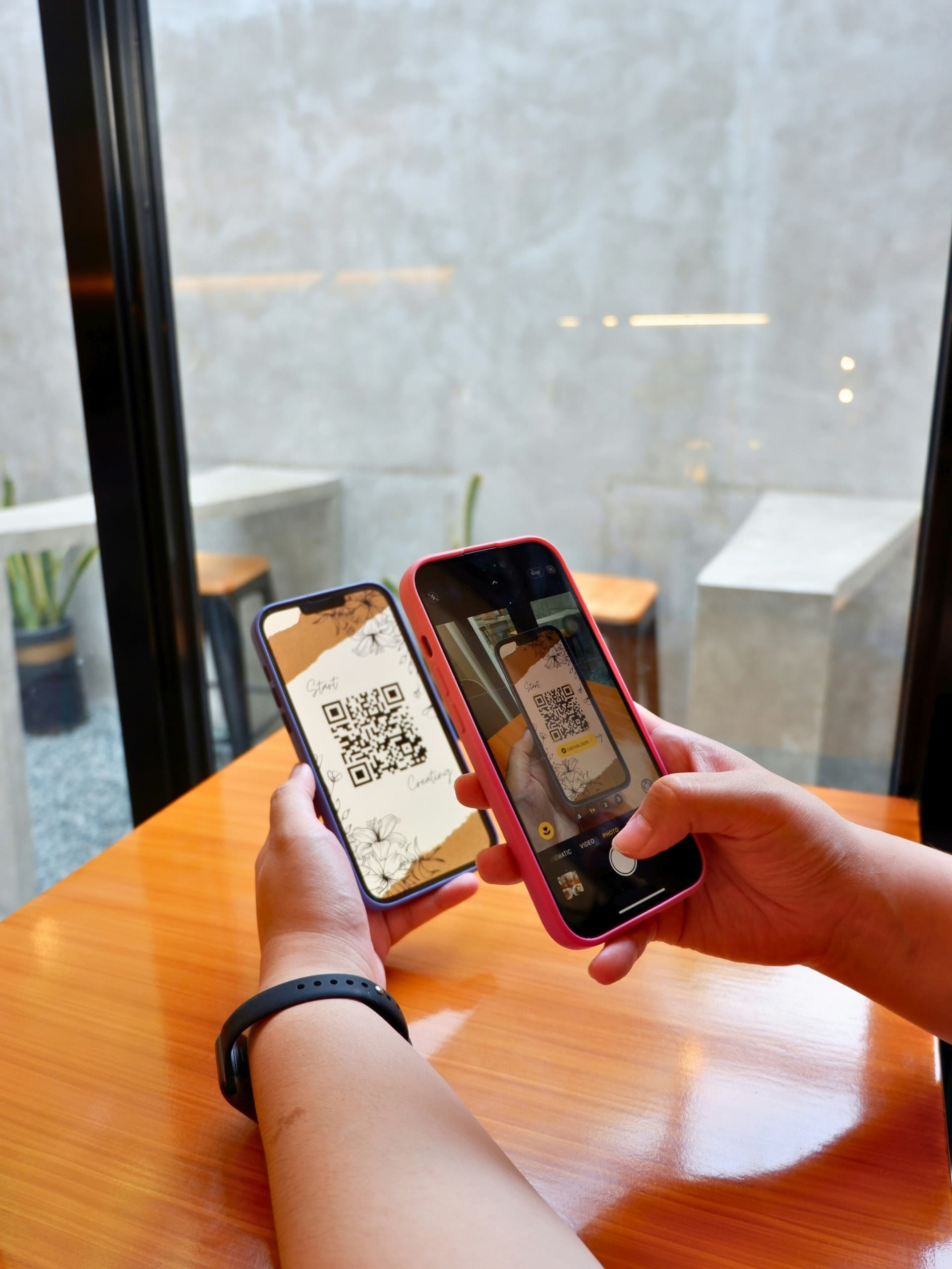
A scam known as 'quishing' hides fraudulent links behind fake QR codes placed over real ones. Here's how to spot it and protect yourself before scanning.
QR codes have become part of everyday life. We use them to pay for parking, view restaurant menus, connect to Wi-Fi, and make online payments. Unfortunately, scammers have started taking advantage of how much people trust them. A growing scam known as 'quishing' involves placing fake QR codes over legitimate ones or sending QR codes through emails and text messages that lead to fraudulent websites.
When someone scans a fake QR code, they may be taken to a website that looks identical to a bank, payment service, or login page. The goal is to trick people into entering usernames, passwords, credit card numbers, or other personal information. Because QR codes hide the website address until after you scan them, it's often harder to recognize a scam before opening the link.
It may seem like you would never fall for a scam like this, but many fake QR codes are placed in locations where you naturally expect to see them. Parking meters, airport terminals, public transit stations, event venues, and restaurant tables have all been targeted. In many cases, scammers simply place a sticker with their own QR code over the original one. At a quick glance, it can be nearly impossible to tell the difference.
At Enablet, we recommend taking a few extra seconds before interacting with any QR code. After scanning, check that the web address matches the company you expect to visit before entering any personal information. If anything looks unusual, such as a QR code that appears to be a sticker placed over another one or a website with a strange address, stop and verify it before continuing. QR codes are still a safe and convenient technology when used correctly, but a few seconds of caution can help protect your personal information and prevent costly scams.
More of the web is moving to passkeys, a safer way to sign in using your fingerprint, Face ID, or device PIN. Here's why they matter, and how Enablet is putting them to use.
Read moreApple just raised prices on Macs, iPads, and accessories, and the iPhone 18 may be next. Here's why we think now is a smart time to buy the current iPhone 17 instead of waiting.
Read more