QR Code Scams Are Becoming More Common
A scam known as 'quishing' hides fraudulent links behind fake QR codes placed over real ones. Here's how to spot it and protect yourself before scanning.
Read more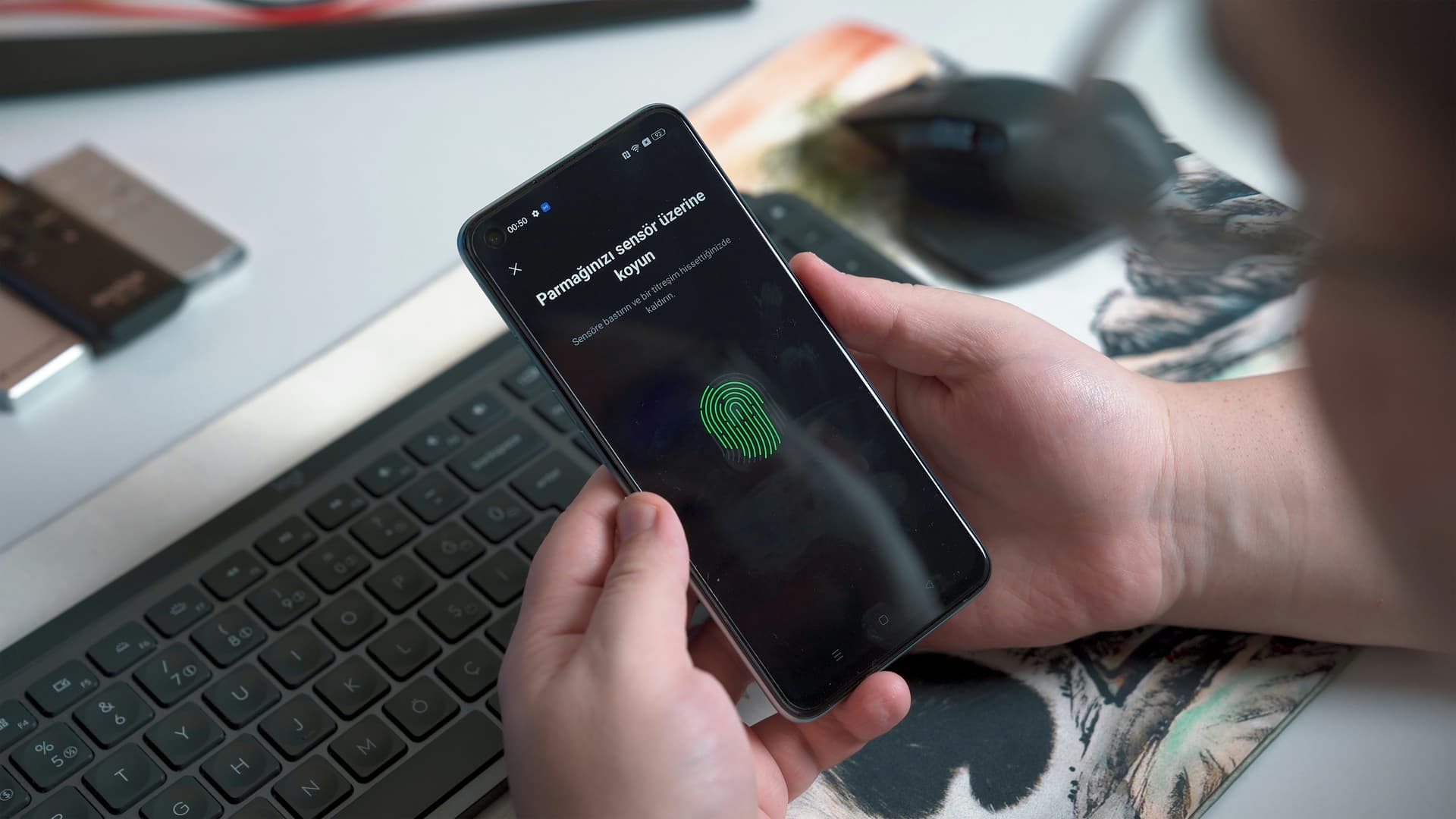
More of the web is moving to passkeys, a safer way to sign in using your fingerprint, Face ID, or device PIN. Here's why they matter, and how Enablet is putting them to use.
For years, passwords have been the standard way to protect online accounts. Today, many of the world's largest companies, including Apple, Google, Microsoft, Amazon, PayPal, and GitHub, now support passkeys as a more secure alternative. Instead of creating and remembering a password, you sign in using your fingerprint, Face ID, or your device's PIN. Your phone or computer securely stores a unique digital key that is used only for that specific website or app.
The biggest advantage of passkeys is security. Traditional passwords can be stolen through phishing emails, fake websites, or data breaches. Passkeys work differently because your private key never leaves your device. Even if someone creates a fake login page, your device will not use your passkey unless it recognizes the legitimate website. This makes passkeys highly resistant to phishing attacks, which remain one of the most common ways hackers gain access to personal accounts. Another growing threat is SIM swapping, where a scammer tricks your mobile carrier into transferring your phone number to their own SIM card. If your accounts rely only on text message verification codes, a successful SIM swap could allow an attacker to receive those codes. Using passkeys and authentication apps instead of SMS codes greatly reduces this risk.
At Enablet, we've already started moving many of our own accounts away from passwords and text message verification. We now use passkeys whenever they're available and prefer authenticator apps for two-factor authentication on accounts that don't yet support passkeys. Authenticator apps generate verification codes directly on your device, making them much more secure than receiving codes by text message. This approach provides stronger protection while also making it quicker to sign in.
While passkeys are quickly becoming the future of online security, they have not completely replaced passwords yet. Many websites still require traditional passwords, and some only offer passkeys as an optional sign-in method. We recommend enabling passkeys whenever they're available and using an authenticator app instead of SMS verification whenever possible. Combined with unique passwords for accounts that still require them, these simple changes can greatly improve your online security without making your accounts harder to access.
A scam known as 'quishing' hides fraudulent links behind fake QR codes placed over real ones. Here's how to spot it and protect yourself before scanning.
Read moreApple just raised prices on Macs, iPads, and accessories, and the iPhone 18 may be next. Here's why we think now is a smart time to buy the current iPhone 17 instead of waiting.
Read more